

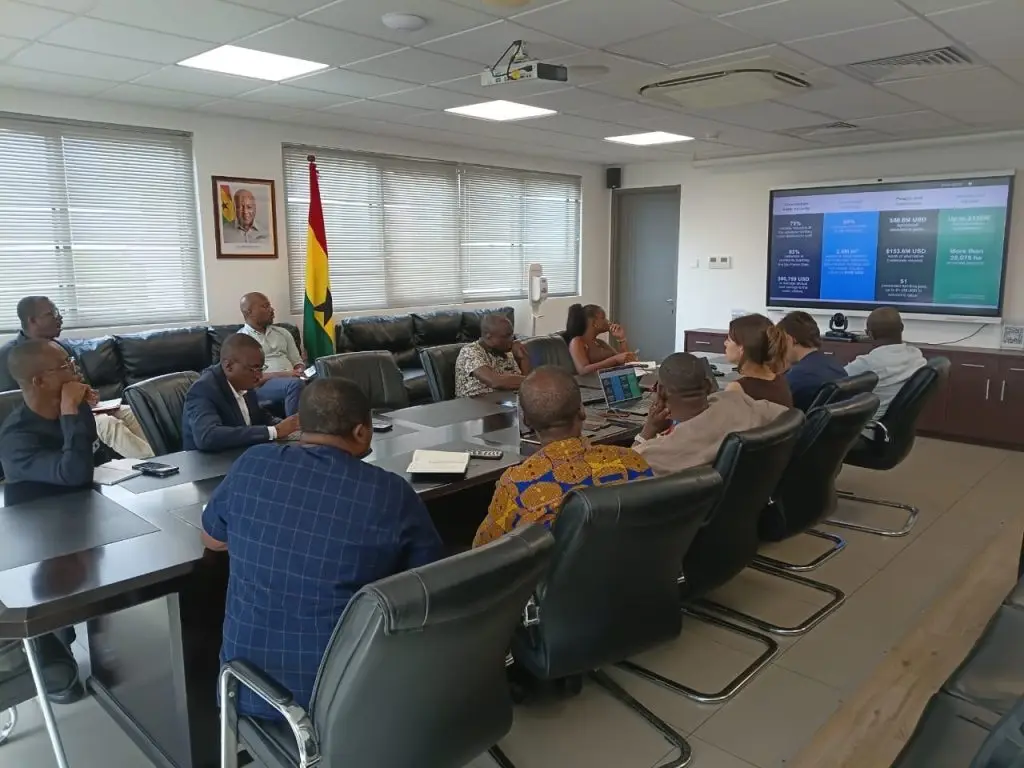
Ghana is scaling up a nationwide effort to protect its rivers and water sources through nature-based solutions aimed at restoring degraded landscapes, improving water quality, and strengthening climate resilience.
The initiative, led by the Water Resources Commission in partnership with The Nature Conservancy and the Nature for Water Facility, seeks to establish long-term financing mechanisms to safeguard critical watersheds across the country.
The programme is being implemented through Watershed Investment Programmes (WIPs), which mobilise public institutions, development partners, private sector actors, and local communities to invest in restoring ecosystems that protect water resources.
Two major Watershed Investment Programs have already been established for the White Volta and Black Volta WBasinswith authorities now focusing on scaling the model nationwide.
Officials say the initiative comes at a critical time as water bodies across Ghana face increasing threats from illegal mining, deforestation, sand winning, erosion, and unsustainable farming practices.
The White Volta Basin, which supplies water to Tamale and surrounding communities with an estimated population of 375,000 people, has suffered severe environmental degradation over the years.
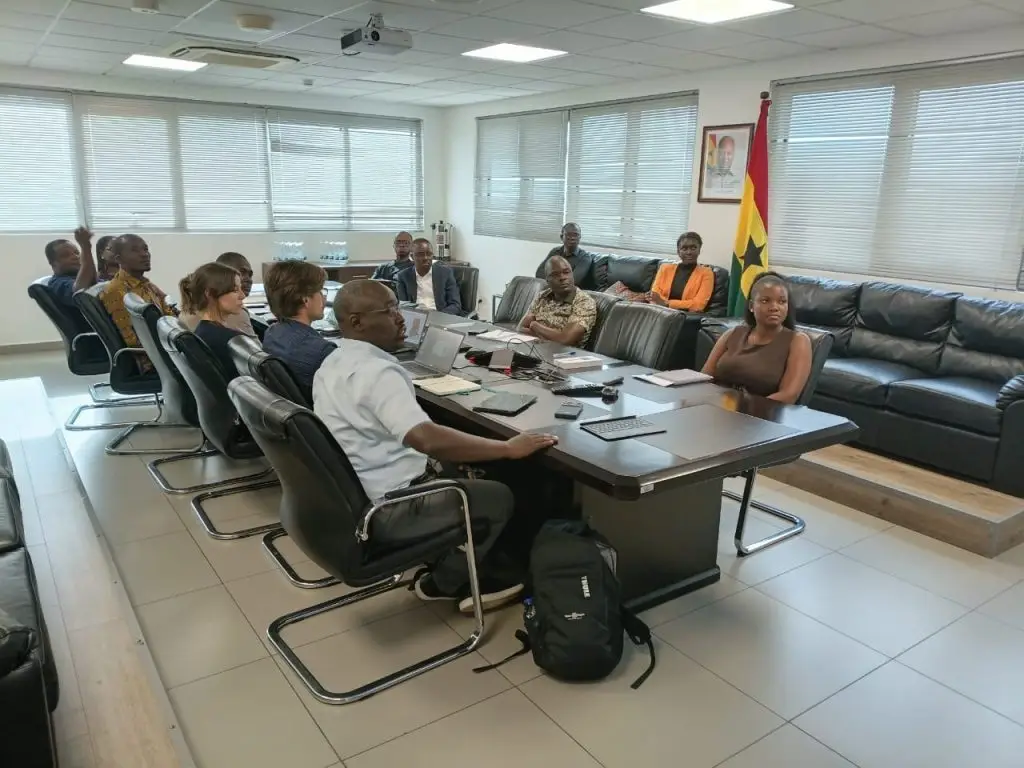
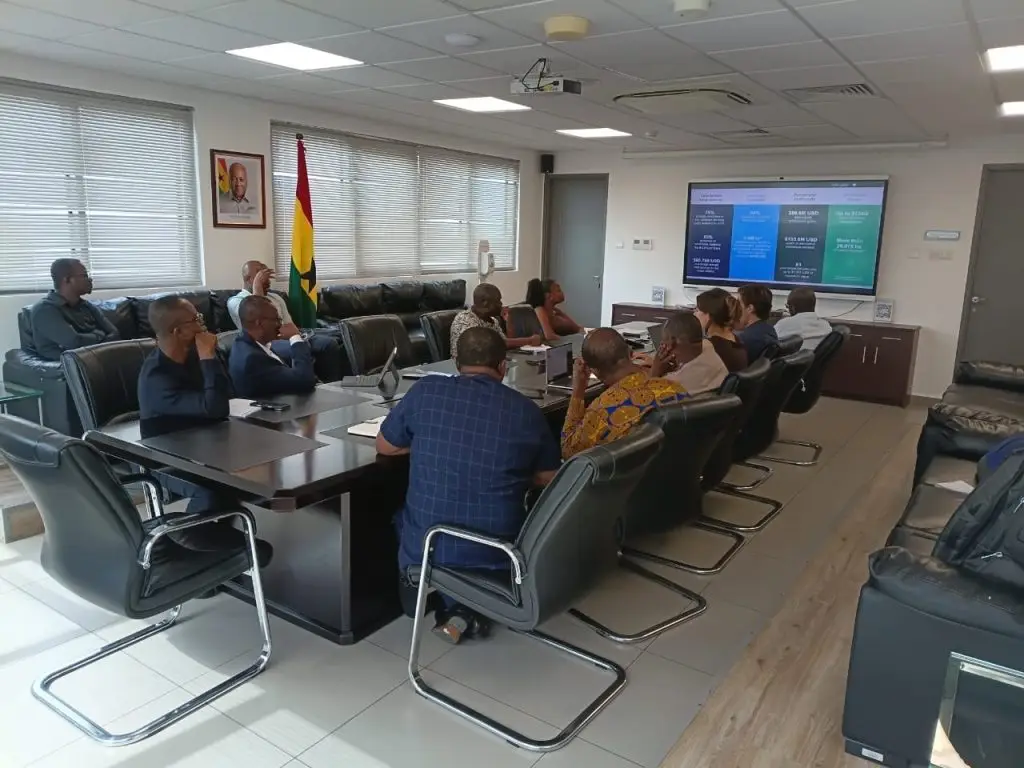
According to the report, about 6,000 cubic metres of sand are mined daily from the White Volta River, while more than half of the basin’s riparian vegetation has been lost over the past 26 years.
The environmental damage has significantly affected water treatment operations at the Dalun Water Treatment Plant, where authorities say between 20 and 30 percent of treated water is lost during water treatment processes due to excessive sedimentation, which is far above the normal global average of two to three percent.
To address the crisis, the White Volta programme is promoting conservation agriculture across 367,000 hectares of land expected to benefit about 200,000 households. It also seeks to restore and protect thousands of hectares of degraded habitats and river buffer zones while regulating destructive sand mining activities.
The Black Volta Basin faces similar challenges. The watershed, which supplies water to about 1.6 million people and supports 25 percent of Ghana’s hydroelectric power generation through the Bui Dam, is increasingly threatened by erosion, deforestation, illegal mining, and climate change.
Experts involved in the project warn that worsening sedimentation is increasing water treatment and dredging costs while shortening the lifespan of critical infrastructure such as reservoirs and irrigation systems.
Studies conducted under the programme show that investing in large-scale Nature-based Solutions, including forest restoration, riparian protection, check dams, water ponds, and sustainable farming and agricultural best practices could dramatically improve water quality and availability.
Scientific assessments indicate that the interventions could reduce sediment pollution in parts of the Black Volta Basin by up to 89 percent while significantly improving local water storage and reducing erosion.
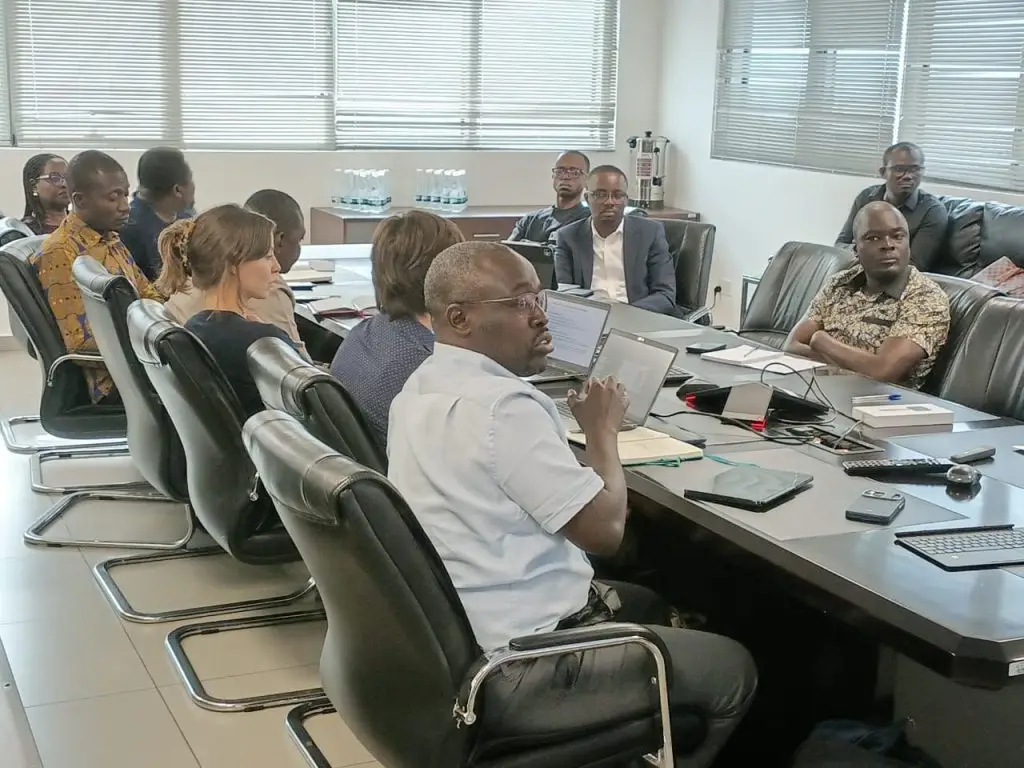
The report also highlights strong economic returns from environmental restoration efforts. Analysts estimate that every one dollar (1$) invested in Nature-based Solutions within the Black Volta Basin could generate up to five dollars (5$) in economic benefits through improved water quality, agricultural productivity, energy security, biodiversity conservation, and job creation.
Beyond environmental protection, the programme includes livelihood support for local communities. Plans include the installation of solar-powered irrigation systems, support for beekeeping and aquaculture, improved shea butter processing, and the distribution of economically valuable fruit trees.
Project coordinators say empowering communities is central to the long-term success of the initiative.
“This WIP should be a programme from communities for communities,” the Project coordinators stated.
The Water Resources Commission says the initiative is intended to build a strong business case capable of attracting sustained national and international funding for watershed restoration and climate adaptation efforts.
With climate change, population growth, and pollution placing increasing pressure on Ghana’s water resources, stakeholders believe the Watershed Investment Programme could serve as a model for Water resources management,protection and water security across West Africa. Key partners involved so far include the Public Utilities Regulatory Commission (PURC), GWL, Bui Power Authority, Regional Coordinating Councils, Guiness Ghana Limited, Catholic Relief Services, Nature for Water facility, the Nature Conservancy, the and the Conrad Hilton Foundation.
